Anatomy
Among our most widely cited resources, these neuroanatomical atlases provide data-driven, high-resolution maps of the mammalian brain. Each atlas has accompanying software tools for streamlined use by the community.
Among our most widely cited resources, these neuroanatomical atlases provide data-driven, high-resolution maps of the mammalian brain. Each atlas has accompanying software tools for streamlined use by the community.
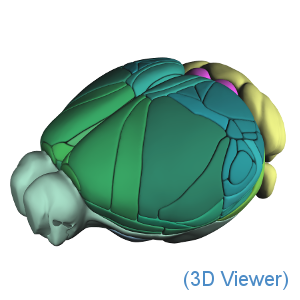
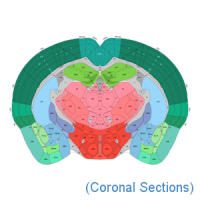
These anatomical reference atlases illustrate the adult mouse brain in coronal and sagittal planes of section. They are the spatial framework for datasets such as in situ hybridization, cell projection maps, and in vitro cell characterization.


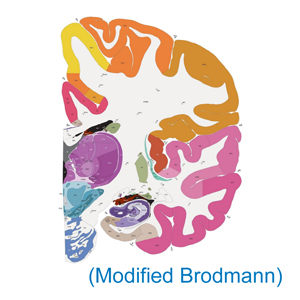
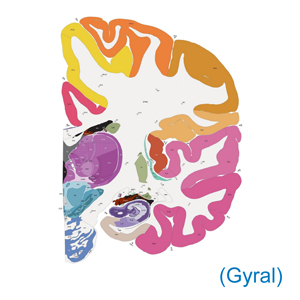
These anatomical reference atlases illustrate the adult human brain, using modified Brodmann or gyral annotation.
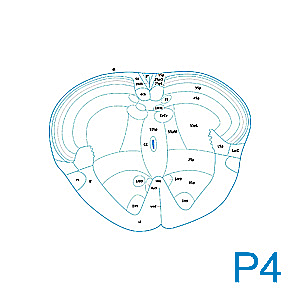
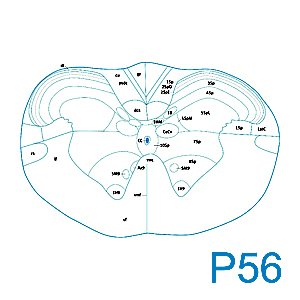
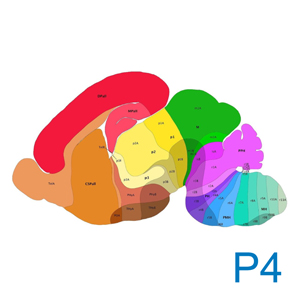
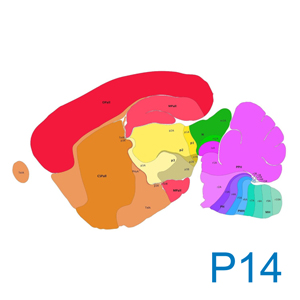
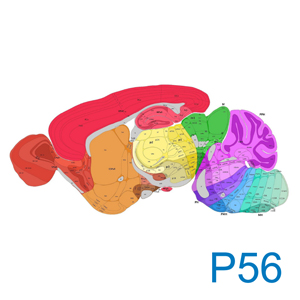
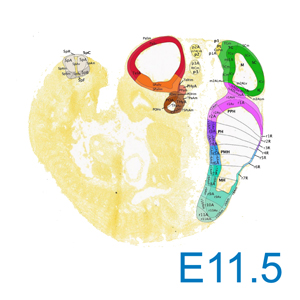
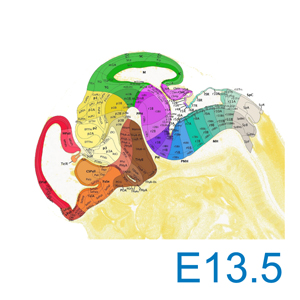
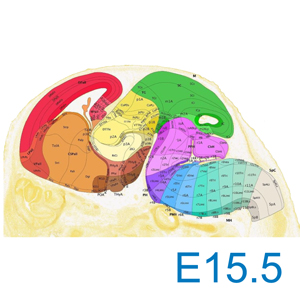
These anatomical reference atlases illustrate the developing mouse brain, covering seven stages of embryonic (E) and postnatal (P) development.
Dr. Luis Puelles used a custom developmental taxonomy for annotation of the Allen Developing Mouse Brain Reference Atlases. Each 2D sagittal reference atlas is annotated on Nissl sections from a single adult made C57B16 mouse.
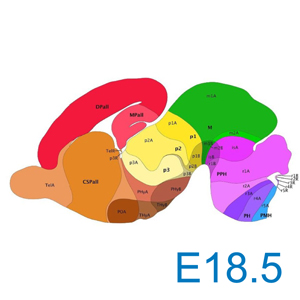
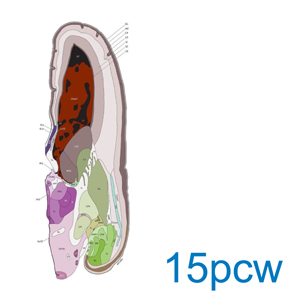
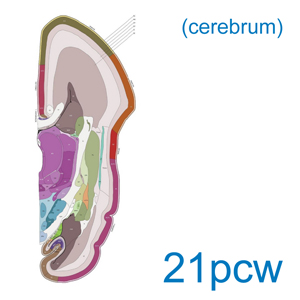
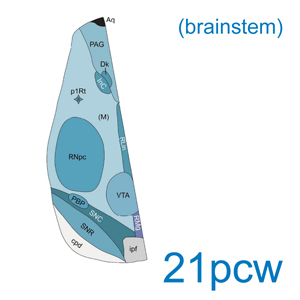
These anatomical reference atlases illustrate the developing human brain, covering two embryonic stages.
These anatomical reference atlases illustrate the mouse spinal cord in adult and juvenile C57BL/6J mouse. They provide a spatial map for the Allen Mouse Spinal Cord Atlases of gene expression. Dr. Charles Watson and Dr, Gulgun Kayalioglu created a custom taxonomy for annotation of the spinal cord, covering cervical, thoracic, lumbar, sacral, and coccygeal segments.