Multimodal Characterization of Individual Neurons
The Allen Institute for Brain Science uses the Patch-seq technique to collect high-quality electrophysiological, morphological and transcriptomic data from single neurons. The resources below enable exploration of these multimodal characterization datasets.
Protocol
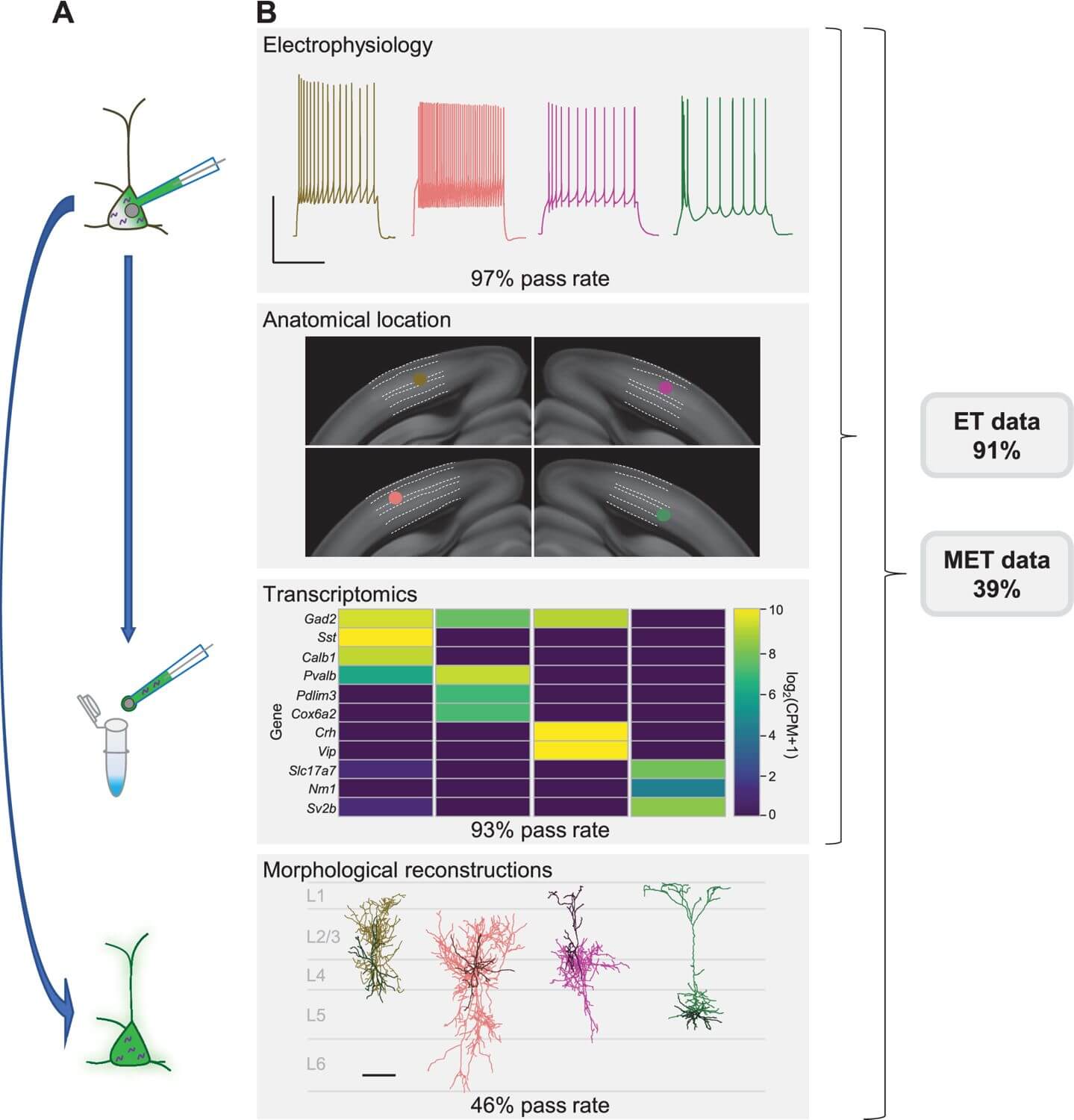
Scaled, high fidelity electrophysiological, morphological, and transcriptomic cell characterization
We have optimized the Patch-seq technique to efficiently collect high-quality electrophysiological, morphological and transcriptomic data. Here we describe this optimized technique as well as the publicly available tools that can be used to generate comparable data.
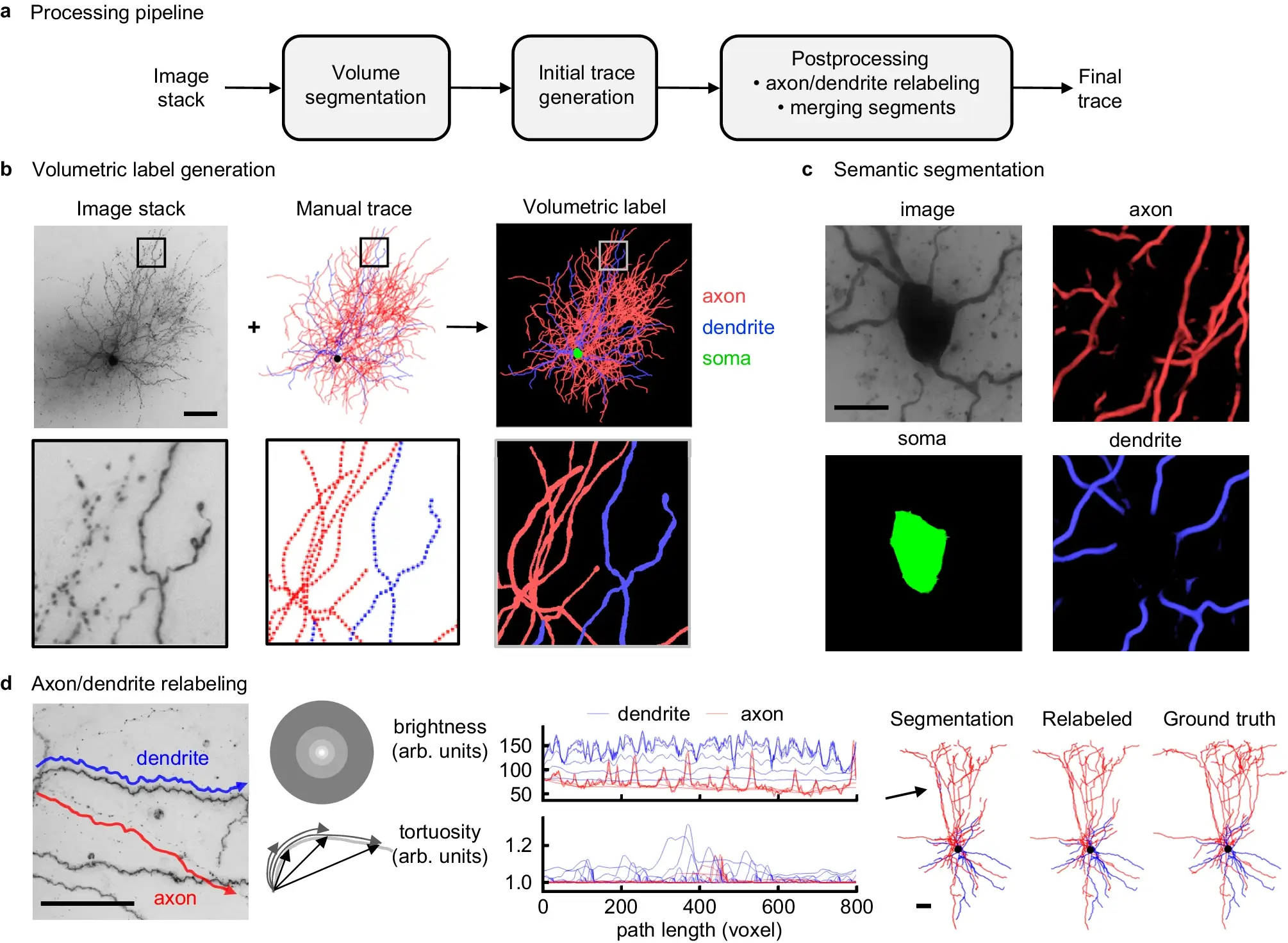
High-throughput analysis of dendrite and axonal arbors reveals transcriptomic correlates of neuroanatomy
Introduces an automated pipeline for high-throughput reconstruction and analysis of dendritic and axonal arbors from brightfield-imaged neurons, enabling large-scale morphological characterization across transcriptomically defined cell types.
Mouse
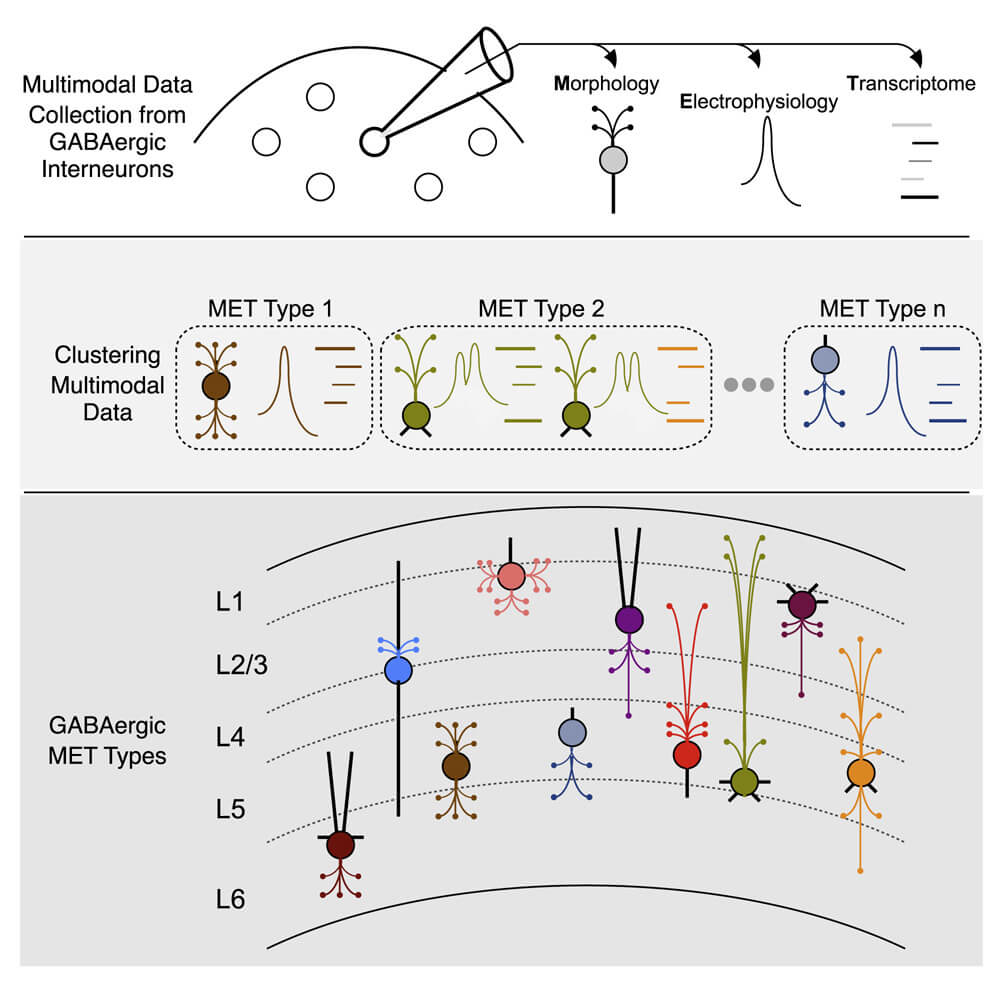
Integrated Morphoelectric and Transcriptomic Classification of Cortical GABAergic Cells
This dataset includes 4,435 mouse inhibitory neurons from the visual cortex with transcriptomic, intrinsic physiological and, for a subset, morphological data. Neurons with all three modalities were assigned to one of 28 interneuron MET-types that have congruent morphological, electrophysiological, and transcriptomic properties.
Researchers can use the metadata file to find cells of a particular cell type of interest and then use the manifest file to download raw data files for those cells. Instructions and links are below. This video tutorial provides an overview of the data and walks through an example Jupyter notebook.
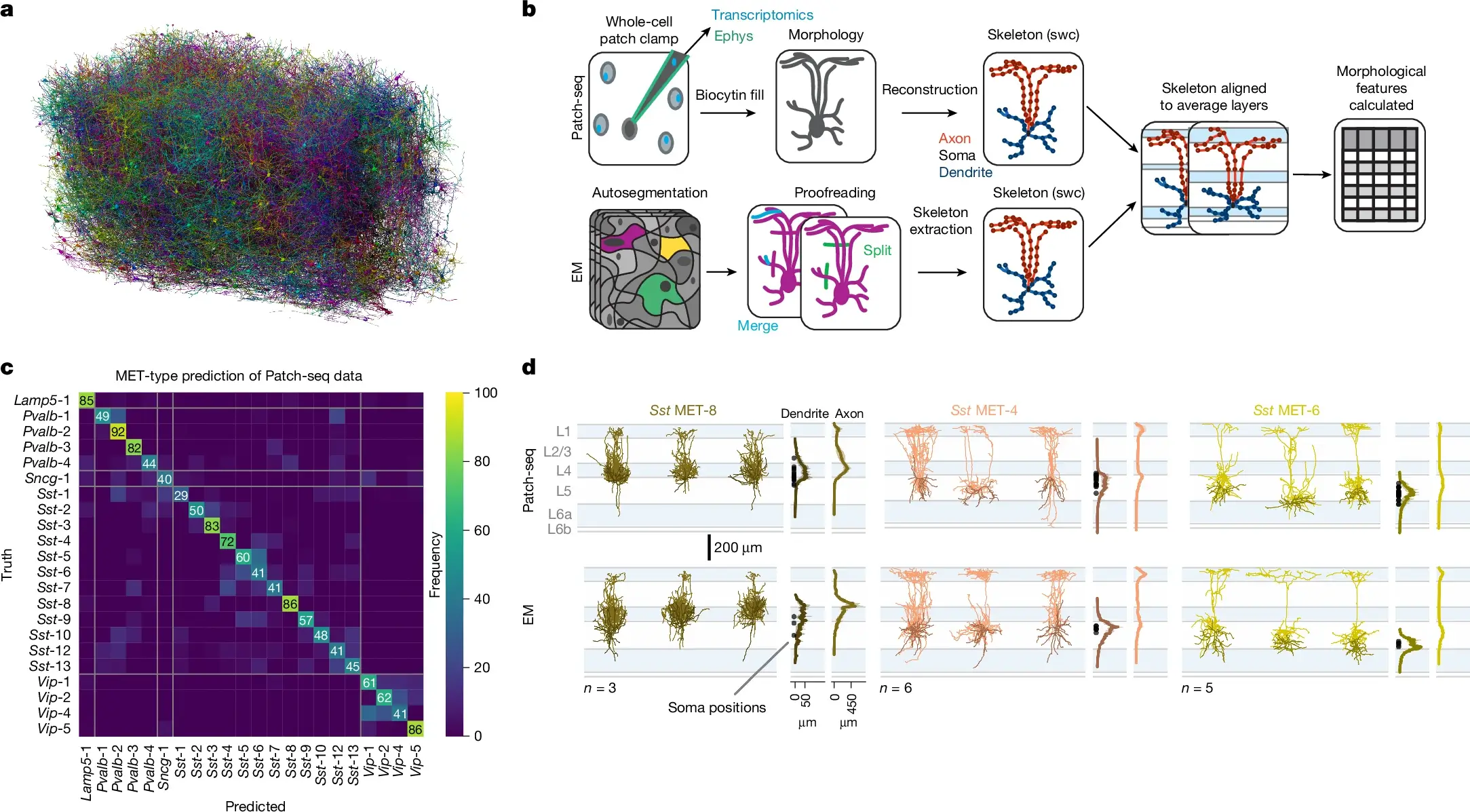
Connectomics of predicted Sst transcriptomic types in mouse visual cortex
By bridging Patch-seq and a large-scale electron microscopy dataset, this work links transcriptomic cell identity to synaptic connectivity, providing a framework for integrating molecular, physiological, morphological, and connectivity features of cortical cell types.
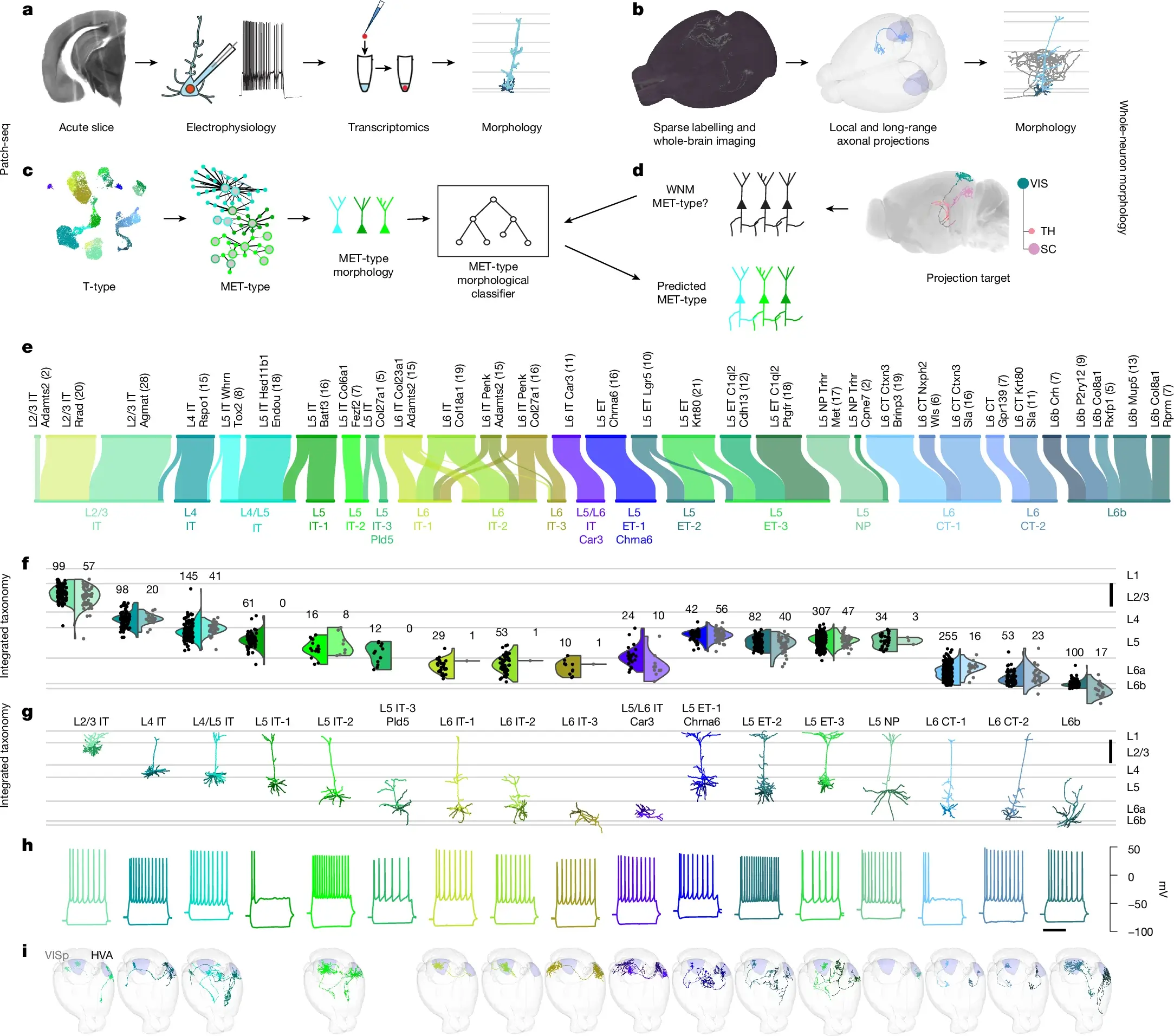
Connecting single-cell transcriptomes to projectomes in the mouse visual cortex
By combining Patch-seq and whole-neuron morphology datasets, this work establishes a multimodal reference linking cortical excitatory neuron transcriptomic identities, morphoelectric properties, and projection patterns.
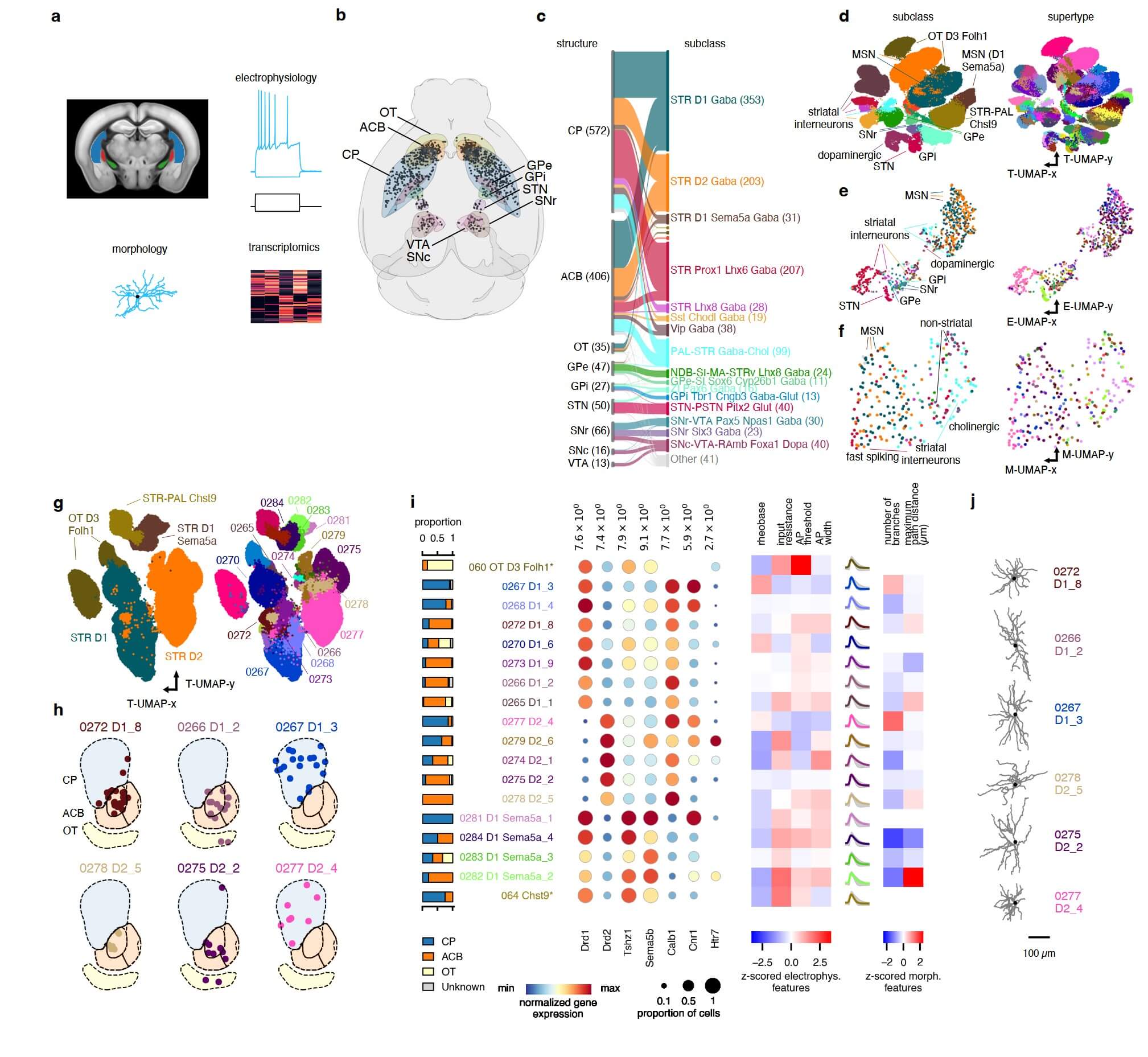
Multimodal characterization of variation in neuronal types in the mouse basal ganglia
This study uses Patch-seq to link gene expression, electrophysiology, morphology, and spatial location across mouse basal ganglia neurons, revealing how molecularly defined cell types vary across topographic circuits and identifying conserved features shared with primate neurons.
Human
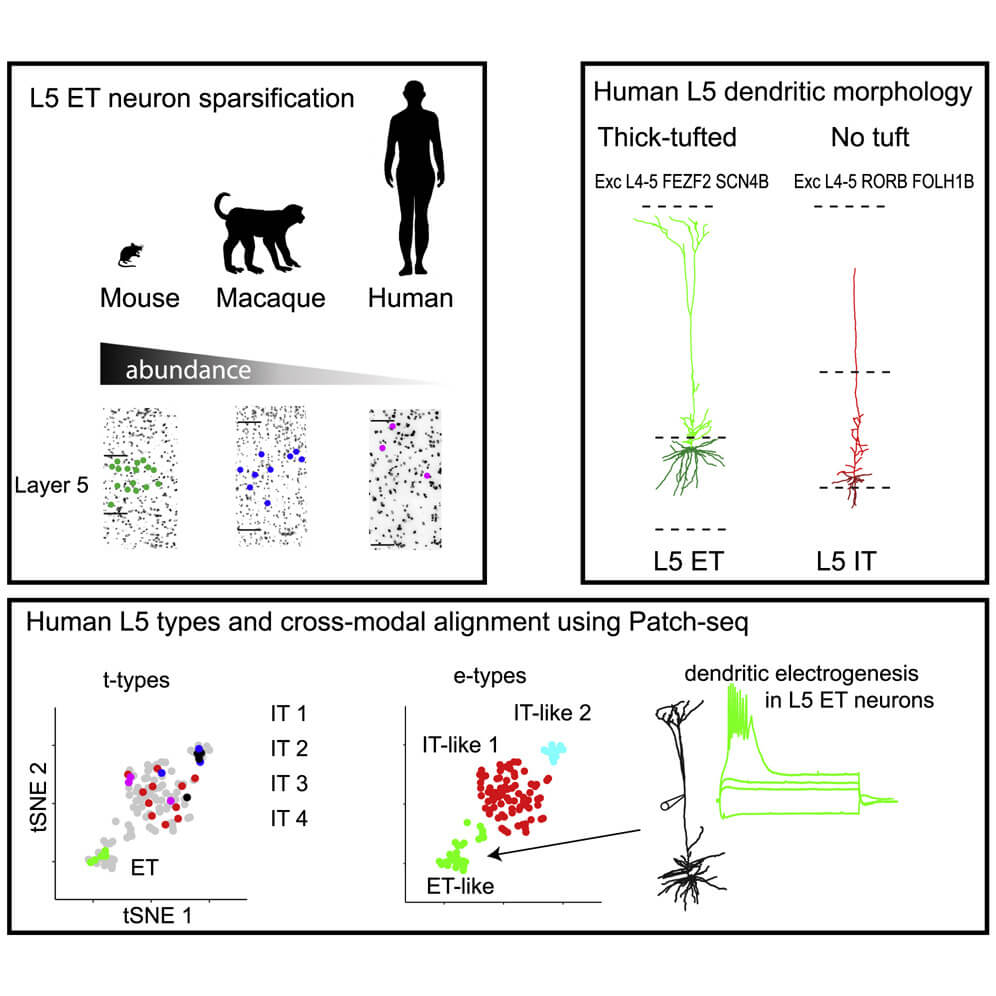
Signature morpho-electric, transcriptomic, and dendritic properties of human layer 5 neocortical pyramidal neurons
This dataset includes intrinsic membrane properties of 113 human Layer 5 pyramidal neurons acquired via patch-clamp recorded in temporal cortex slices, with transcriptomes (n=25) and/or dendritic morphologies (n=15) collected from a subset. Together this dataset reveals two broad classes of neurons with transcriptomic and morpho-electric properties resembling extra-telencephalic and intra-telencephalic projecting neurons.
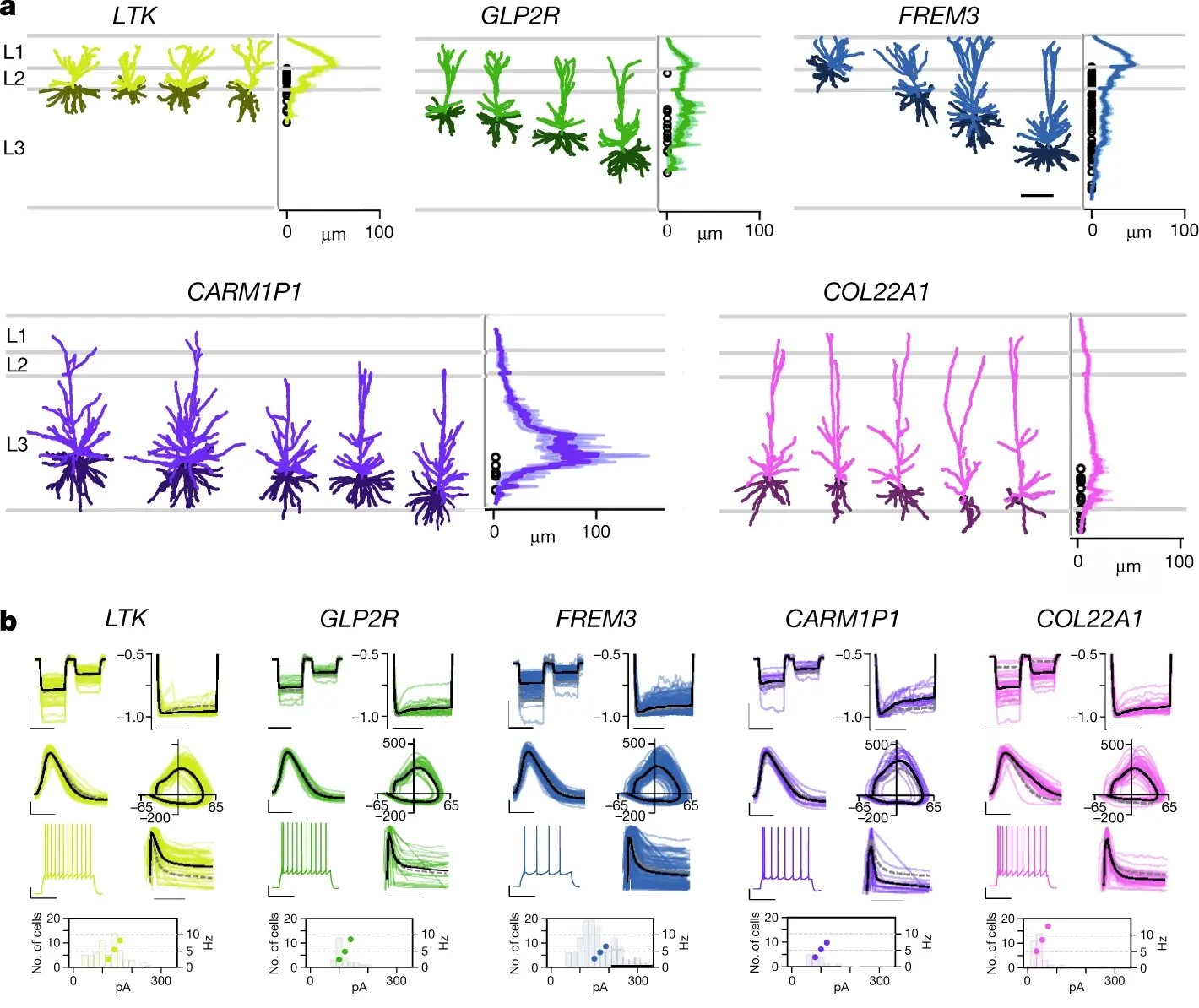
Human neocortical expansion involves glutamatergic neuron diversification
We characterized the morphological and physiological properties of five transcriptomically-defined human glutamatergic supragranular neuron types. Three types have properties that are specialized as compared to their more homogeneous mouse homologues. The two remaining supragranular types, located exclusively in deep layer 3, lack clear supragranular mouse homologues but are transcriptionally most similar to deep layer mouse intratelencephalic-projecting neuron types.
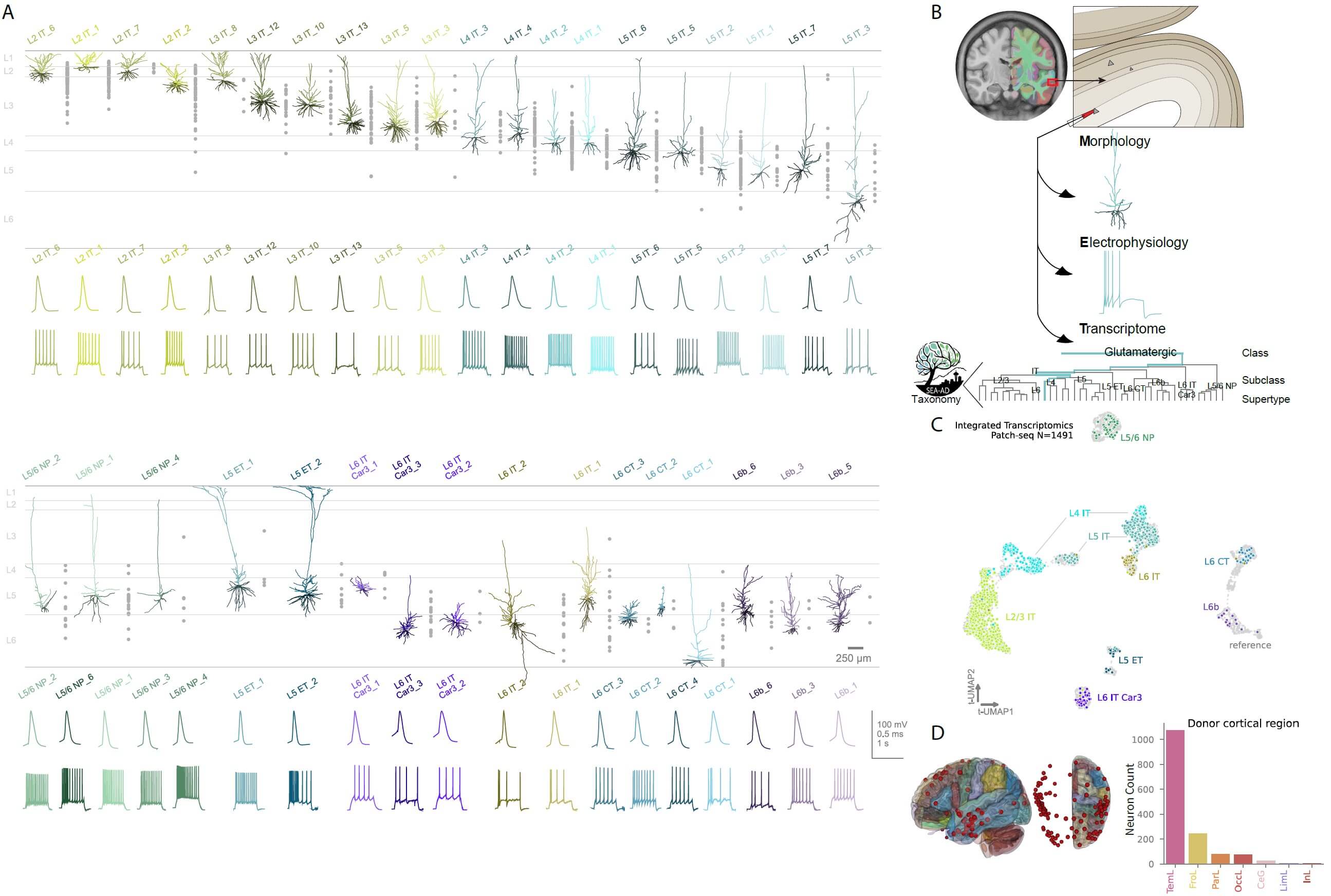
Human Neocortical Glutamatergic Neurons Revealed Through Multimodal Profiling
A large-scale Patch-seq study of human neocortical glutamatergic neurons, linking transcriptomic identity with morphology and electrophysiology across cortical layers to create a multimodal reference for understanding human cortical cell type diversity and cross-species differences.
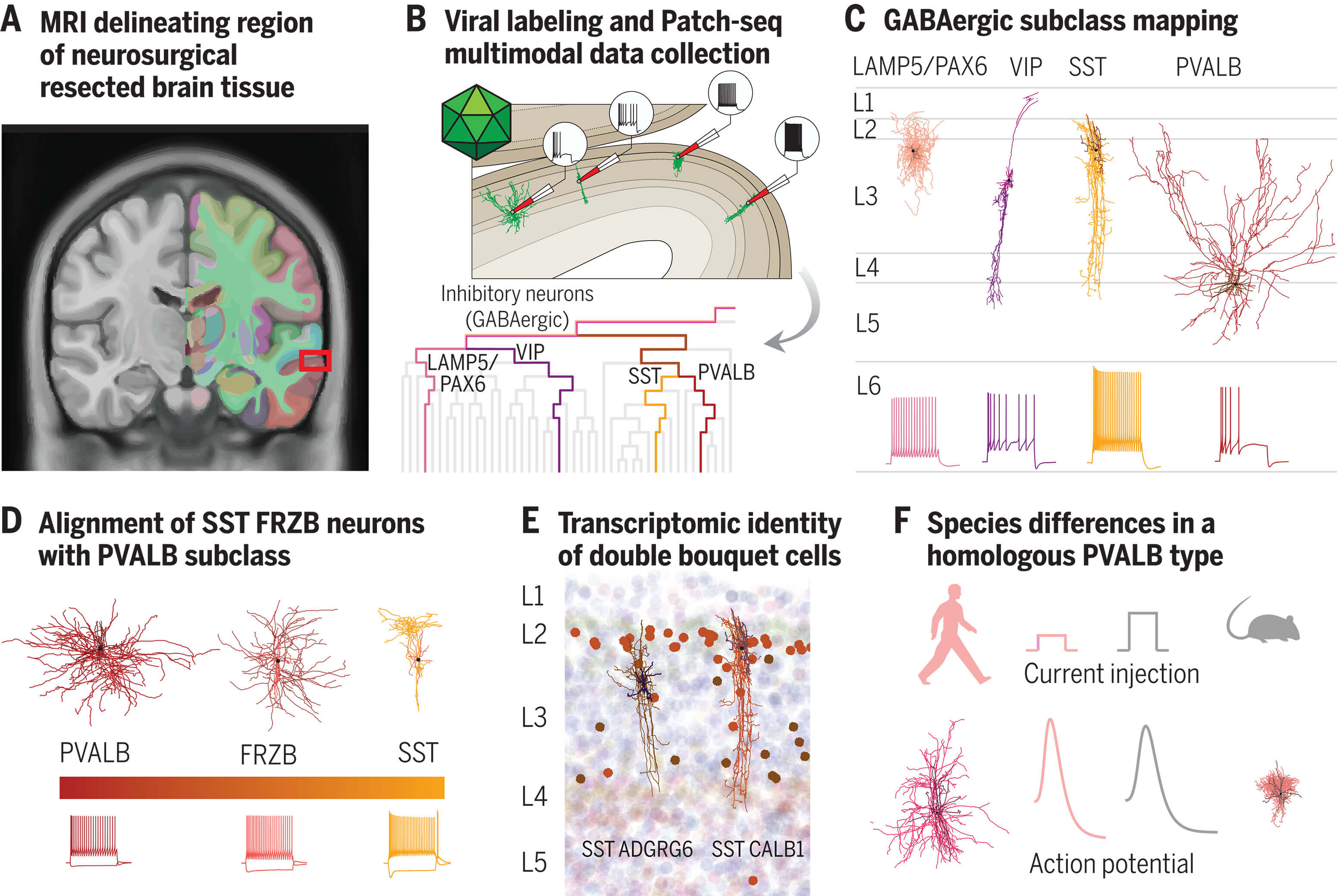
Signature morphoelectric properties of diverse GABAergic interneurons in the human neocortex
Viral labeling of GABAergic neurons in human brain slices with Patch-seq yields a functional annotation of human interneuron subclasses and types.
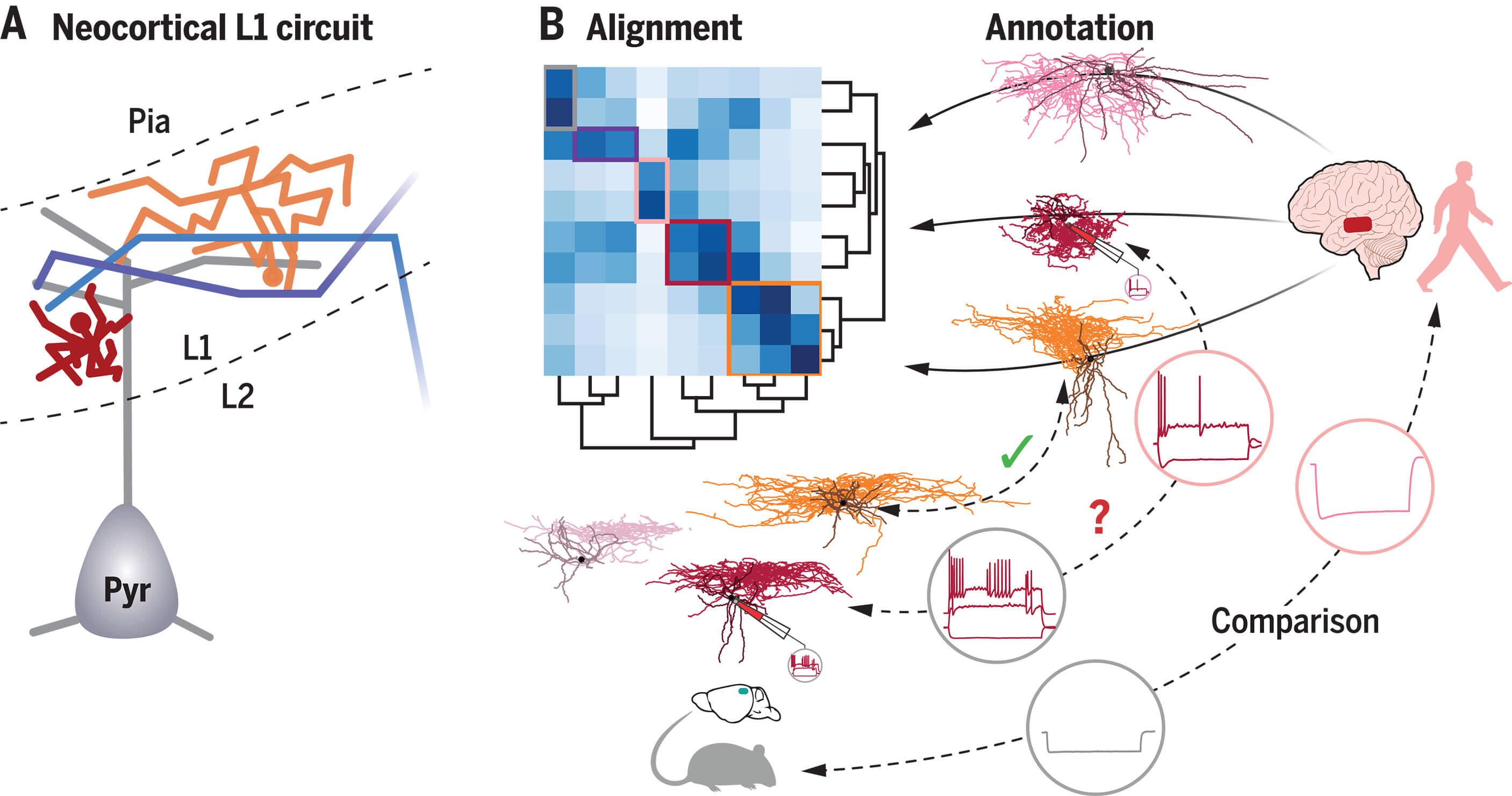
Morphoelectric and transcriptomic divergence of the layer 1 interneuron repertoire in human versus mouse neocortex
Linking cellular transcriptomic identity to intrinsic morphoelectric features, we describe innovations in human neocortical layer 1 interneurons.
Non-human primate
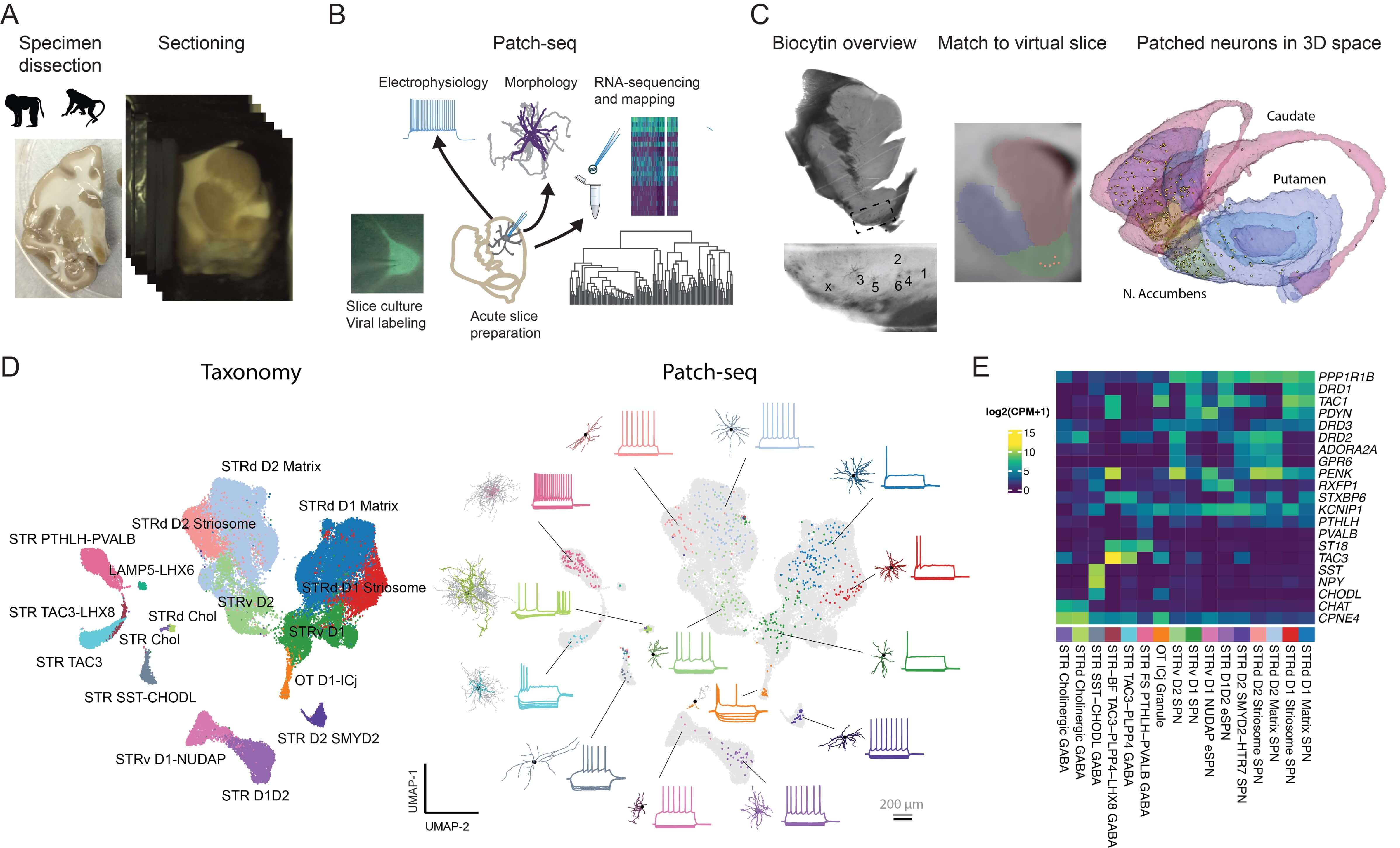
Morphoelectric Diversity and Specialization of Neuronal Cell Types in the Primate Striatum
Using multimodal Patch-seq in macaque striatum, this study links transcriptomic cell types to their morphological and electrophysiological properties, revealing previously underappreciated neuronal diversity and highlighting both conserved and primate-specific features of striatal circuitry.
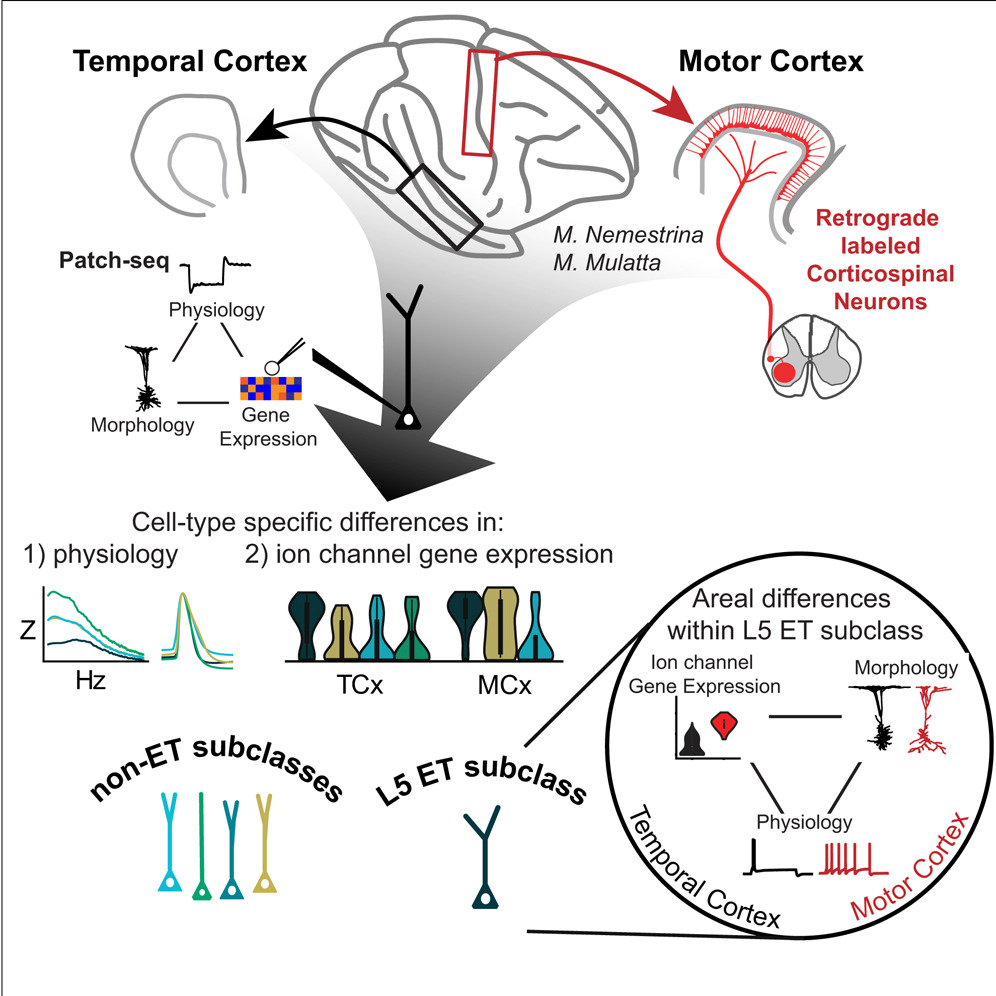
Areal specializations in the morpho-electric and transcriptomic properties of primate layer 5 extratelencephalic projection neurons
This Patch-seq study reveals how transcriptomically defined layer 5 extratelencephalic neurons differ in gene expression, morphology, and physiology across primate cortical areas, providing insight into regional specialization of a conserved cell type.
Cross-species
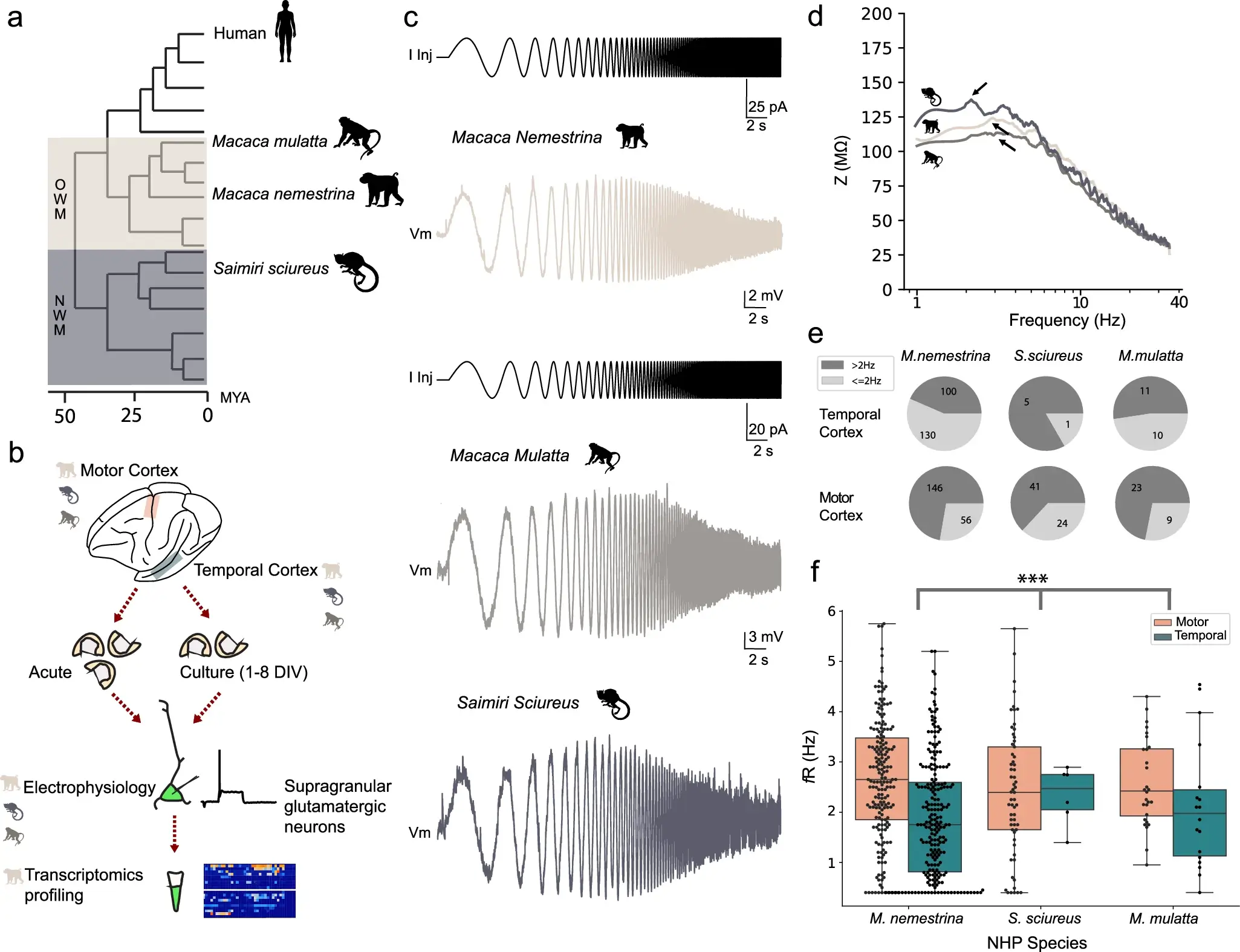
HCN channels reveal conserved and divergent physiology in supragranular pyramidal neurons in primate species
Combining transcriptomic and physiological measurements across primate species, this work provides a comparative framework for understanding the conserved and divergent properties of supragranular cortical neuron types.